Reviews

Fearful Reality

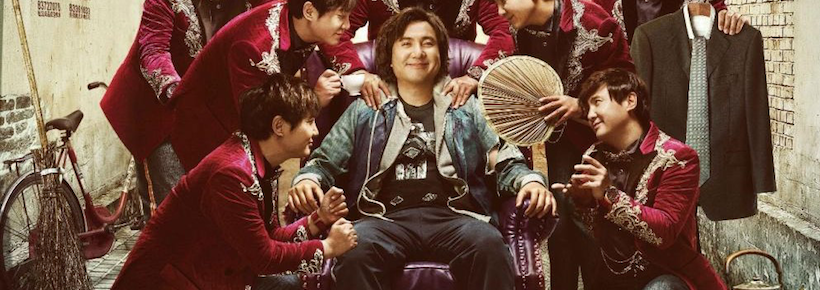
Kyle Muntz reviews Harvey Thomlinson’s novel The Strike

In a small town along the northern border of Heilongjiang Province, people gather to protest the closing of the Bright Moon electricity plant:

Still after the night blizzard neighbors had emerged in ones and twos from concrete stairwells strung with garlic bulbs… We can’t let them sell our factory Mrs. Gao said… They will steal our children’s future. There’s people going hungry.

The workers organize a strike, and are immediately labeled “dangerous … subversive criminals.” Their leader goes into in hiding, forbidden even the possibility of coverage in the news or collaboration with workers in other provinces. In China’s new economy, the inefficient state-owned factory is a relic of a past most of the country has already abandoned – yet, following half a year of unpaid wages, its loss will leave hundreds without work, a whole way of life coming to an end beneath an impenetrable media silence. This has happened before and it will happen again, in a hundred similar towns all across the country. But that doesn’t make it any easier to live with now.

Reviews

At the Edge

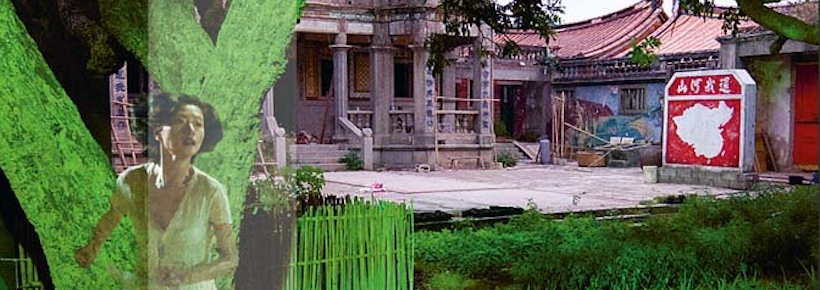
Joshua Bird reviews China at its Limits, by Matthias Messmer and Hsin-Mei Chuang


China shares its borders with 14 other countries, more than almost any other nation. Its near neighbors represent a diverse collection, from dominant powers such as Russia and India, to the smaller emerging nations of Laos and Bhutan. Throughout China’s history, it is through these borders that the influencing forces of trade, ideology and imperialism have traveled. China’s border regions have resumed their importance in recent years, with political protest among the country’s ethnic minorities in Xinjiang and Tibet, and the development of the Belt and Road Initiative – which seeks to further bind China’s neighbors to its economic agenda through the creation of a “New Silk Road.” China’s borders represent an opportunity for trade and cultural exchange, but also a risk for political agitation, terrorism and even military conflict.

Reviews

Look Behind Your Eyes

Lowell Cook reviews Burning the Sun’s Braids: New Poetry from Tibet

The past year has been an exciting one for Tibetan literature in English translation. Not only was a collection of twenty-one Tibetan short stories, Old Demons, New Deities, released in October, but at the same time an anthology of contemporary Tibetan poetry, Burning the Sun’s Braids, was published by the independent imprint Blackneck Books. These collections act as companions for understanding the literature being written by Tibetans today, both prose and poetry.

While there have been smatterings of Tibetan poetry in translation across the web for a while now – for example on the excellent website High Peaks, Pure Earth –  Burning the Sun’s Braids is the first book devoted to new poetry written inside Tibet

Reviews

Red Snow

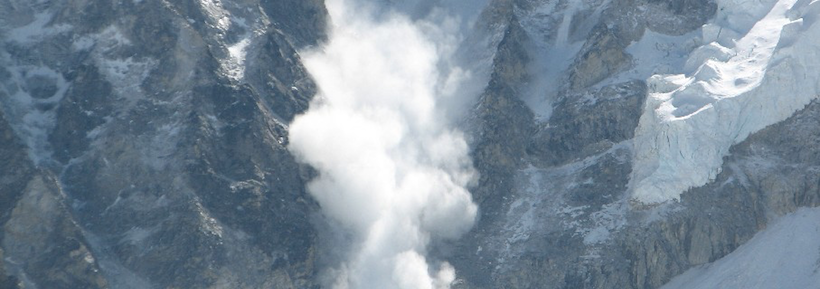
Palden Gyal reviews Avalanche, a collection of prison poems from Tibet

Better known by his pseudonym “Theurang” – a mysterious imp-like creature living in high mountains, known for its mischievous intrusion in human settlements – Tashi Rabten is one of the most prominent and widely read young contemporary poets in Tibetan literary circles today.

Theurang rose to literary stardom as a student of literature at the Northwestern University for Nationalities in Gansu Province, around the politically tumultuous period of 2008, when riots shook the Tibetan Plateau. Recording his sentiments and reflections on the 2008 uprisings and the subsequent crackdown campaigns, Theurang published Written in Blood (Khrag Yig), a collection of poems and essays which was well received before it was banned. His involvement in student protests, his poetry and publications in the now-banned literary journal Eastern Conch Mountain (Shar Dung Ri), and his literary activities in general, led to his arrest in 2010 and a four-year prison sentence.