Chinese Corner

Hey Poser

What putdown to use when dudes wear shades indoors – by Christina Xu

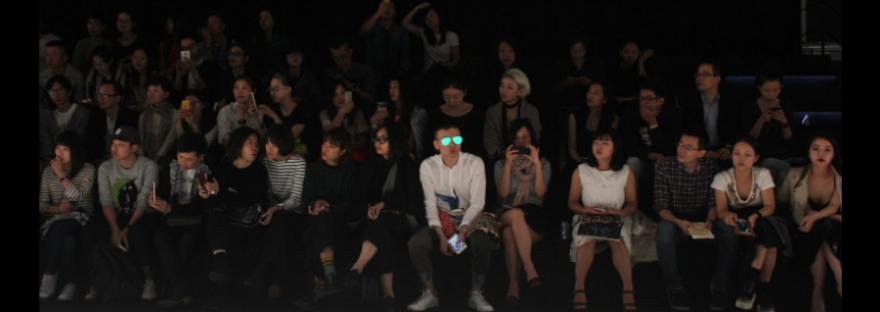
In Chinese internet parlance, to zhuāng bì (装B) is to put on airs  – worldly, moneyed, educated, eccentric, or any other combination thereof. In other words: to be a f*ing poser.

Zhuāng B is a shorthand for zhuāng níubī 装牛屄: zhuāng means “pretend,” and níubī literally means “cow pussy” but has come to figuratively mean “badass.” The character for the second word, 屄, is hard to find when typing, so it’s often replaced with the more common character 逼 or simply the English letter “B.”

Chinese Corner

The Write Stuff

Writing Chinese is hard. Is technology helping or hindering? – by Eveline Chao

One day in 2010, I was in a car with my cousins, being driven around Taipei by a (directionally challenged) aunt. After our third time getting lost, my aunt finally pulled over, plugged in the GPS, and used her finger to write the address of our destination onto the touchscreen device. As she scribbled out the characters, my cousins all leaned forward to watch. “Wow,” one of them said when she was done. “I don’t know how to handwrite anything anymore.”

Writing in Chinese, in case you hadn’t noticed, is freaking hard. So much so that Chinese people think so, too. I’ve seen everyone from my mom, to a seatmate on a Beijing bus, even to my Chinese teacher, suddenly stop in the midst of writing, unable to continue because they’ve blanked on a word. Professor Victor Mair at the University of Pennsylvania has called this character amnesia (he later clarified he “cannot guarantee that I coined the expression”).

Chinese Corner

Full of Bean Curd

Tofu metaphors in Mandarin – by Liz Carter

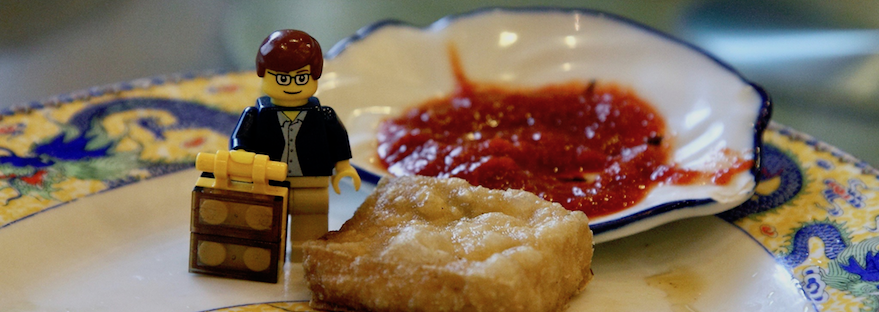
Nothingburger. Pizza face. A bun in the oven. Food is ever present in our lives, nurturing us as well as our metaphorical expressions. It should come as no surprise that Chinese cuisine, with its different ingredients and techniques, has inspired very different spread of food metaphors. In particular, one category exists in Mandarin that is virtually absent in English: tofu quips.


Chinese Corner

A Horse Is a Horse… of Course?

Chinese characters aren’t pictographs (anymore) – by Ash Henson

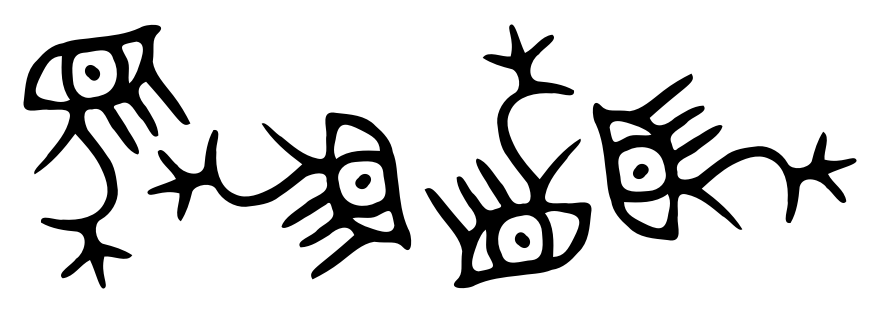
From my earliest memories, I’ve always been fascinated by things foreign, and upon first glance, Chinese writing looked really, really foreign. Chinese characters have always held a certain mystique. They are the subject of mountains of misinformation, originating both from the Chinese themselves and from everyone else. Starting with this post, I will be guiding you through the entrancing and enraging word of Chinese characters.

Chinese Corner

Make China Great Again

China and America’s leaders use similar slogans – by Liz Carter

This week, Donald Trump will visit Beijing, sparking vigorous debate among China watchers. There are a lot of articles talking about how Presidents Xi Jinping and Trump may be at odds, but as they are both nationalists with despotic ambitions, it should come as no surprise that they rely on similar linguistic strategies to consolidate support and intimidate their enemies. Trump vows to “Make America Great Again” (MAGA for short), while Xi invokes “the great rejuvenation of the Chinese nation” (中华民族伟大复兴, Zhōnghuá mínzú wěidà fùxīng).

Let’s compare their parallel slogans in more detail: