Essays

Mountain and Forest

The Tao of Ursula K. Le Guin  — Nick Stember

Memorably described by China Miéville as an ‘unflinching radical, literary colossus, comrade, a giant of modern letters,’  tributes to Ursula K. Le Guin’s legacy have come from far and wide — to list just a few, Stephen King, John Scalzi, Neil Gaiman, N.K. Jemison, Naomi Klein — with many more doubtless to come. While Margaret Atwood has (rightly) pointed out the prescience of Le Guin’s 1969 novel, The Left-Hand of Darkness, readers might be surprised to learn that this book was inspired in part by ancient Chinese thought.
Essays

Au Revoir to the Astor

Bidding farewell to one of Shanghai’s iconic hotels – Paul French

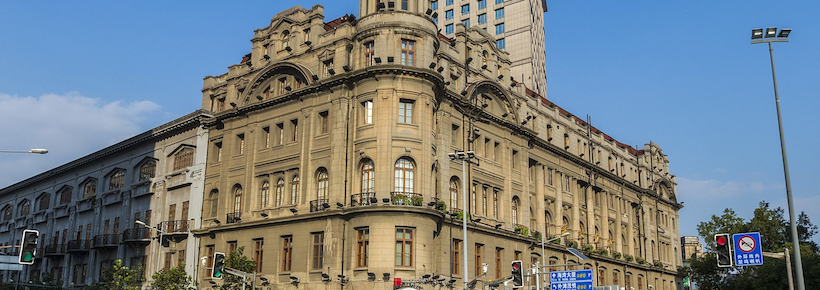
The Astor House Hotel, in one form or another and under one name or another, has stood at 15 Huangpu Lu (previously known as Whangpoo Road) since 1846. Variously, it has been called Richard’s, The Astor House, and then the Pujiang since 1959. Just across from the Waibaidu, or Garden Bridge, on the north side of Suzhou Creek, its views have been somewhat obscured by the construction of the Russian Consulate in 1917 and the art-deco Broadway Mansions in 1934. But still the Astor stands – majestically occupying an entire block with its 134 rooms and suites, a sprung dancefloor, bars, lounges and a 500-seat restaurant. The building many know and love really dates to 1911, when it was one of the city’s finest hotels. Now, due to new regulations on state enterprises owning commercial businesses, the Astor, which is owned by the Shanghai Stock Exchange for convoluted reasons, closed at the end of December. Best guess, and rumour, is that it will re-open as a museum (of what is unclear) after perhaps two years of refurbishment.

Essays

Them Too

A new play in Chinese calls out sexual abuse – Huang Sizhou and Jordan Schneider

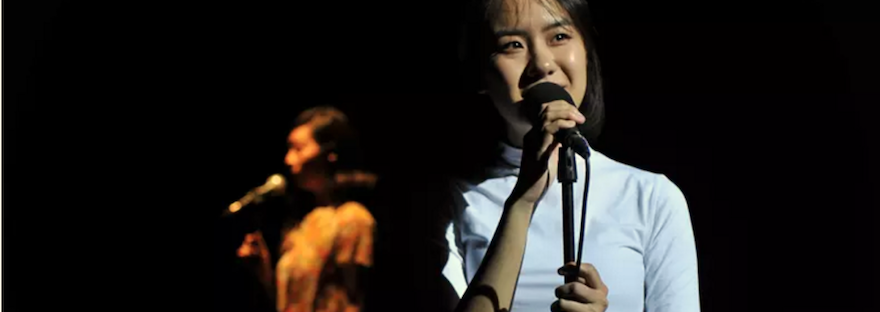
How I Learned to Drive, a 1998 Pulitzer Prize-winning drama about sexual abuse by Paula Vogel first performed in New York, made its debut in Chinese this December at one of Beijing’s leading independent theaters. The performance premiered as the country raged over recent scandals plaguing China, including allegations against professors at Nanchang and Beihang universities in the midst of China’s own #metoo movement. On a cold Friday night, over two hundred Beijingers, mostly in their twenties, came out to watch the play. Some couples held hands tightly and while others averted their eyes as they saw the character Uncle Peck subject his twelve-year-old niece Bit to unwanted touching.

Essays

Emojis on the Wall

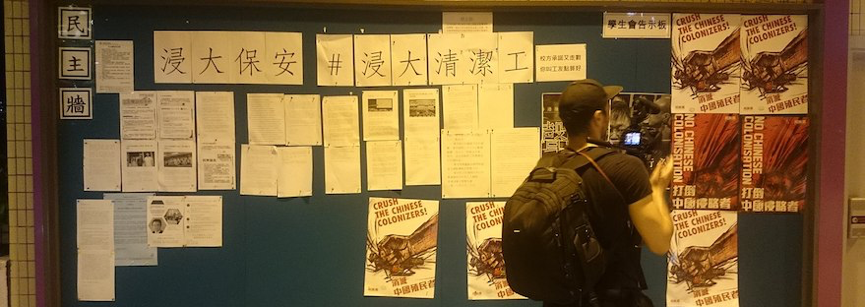
On Hong Kong campuses, a bulletin board Cold War – Ting Guo

As someone who grew up in post-Tiananmen mainland China, democracy walls on Hong Kong university campuses always evoke a sense of bittersweet nostalgia in me, for the liberal era I was just young enough to miss. The campus walls pay tribute to the original Democracy Wall in Beijing, where in 1978 people put up posters expressing their political opinions and recalling their suffering during the Cultural Revolution. The Democracy Wall and the “Beijing Spring” it had ushered in were both shut down in 1979, foreshadowing the bloody end to the Tiananmen Square protests in 1989.

Essays

A Fellow Traveller’s Tale

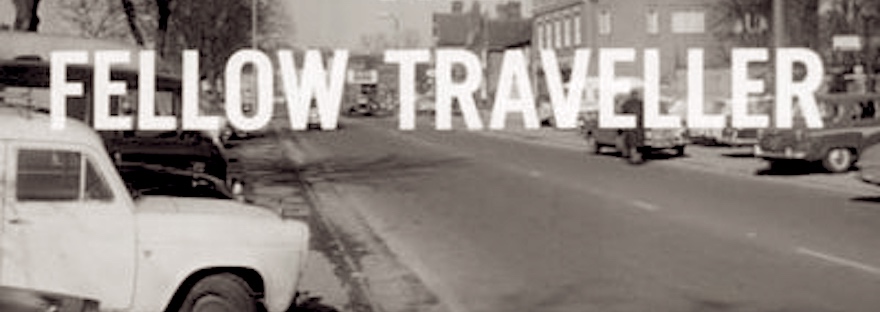
How Mao Cost a Cambridge Economist the Nobel Prize - by Julian Gewirtz

In the autumn of 1975, there was one name “on everyone’s list for this year’s Nobel Prize in Economics,” Business Week magazine trumpeted: the Cambridge economist Joan Robinson. The week before the prize announcement, the magazine predicted that Robinson would be the first woman to win the prize. A major interpreter of John Maynard Keynes and Karl Marx, she was one of the most prominent economists of her generation.

But when the names of the winners were read out at the Royal Swedish Academy of Sciences, Robinson’s name was not among them. What went wrong? More than perhaps any other factor, one man was to blame: Mao Zedong.