
Poems by Yu Xinqiao – translated by Denis Mair
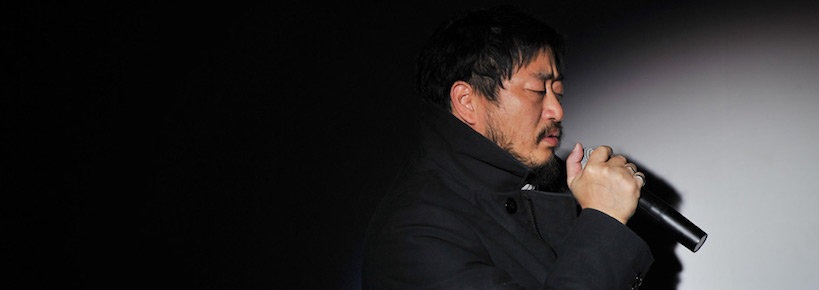
Lock
At any given time or place
I only need one lock
Beauty is a lock
Kindness is a lock
Loyalty is a lock
Happiness is a lock
I make a request to these four locks
To keep my whole life locked up
Lock
At any given time or place
I only need one lock
Beauty is a lock
Kindness is a lock
Loyalty is a lock
Happiness is a lock
I make a request to these four locks
To keep my whole life locked up
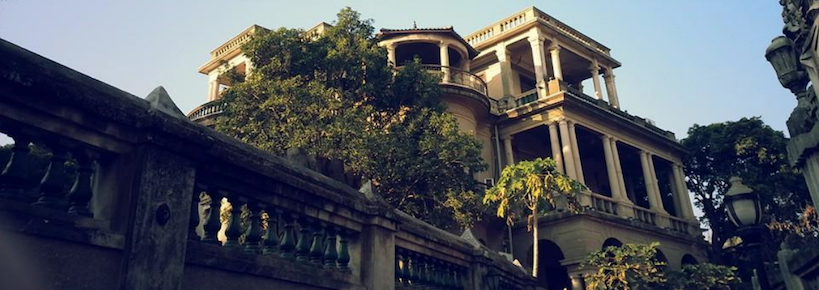
On a mild winter’s day in 2014, a friend and I took a ferry to Gulangyu, also known as Drum Wave Islet. This tiny island off the coast of the Fujianese city of Xiamen is named after the drumming sound of waves that lap against its shorelines. Towering over the cliffs is a giant stone statue of Koxinga, a 17th century half-Chinese, half-Japanese pirate that once sailed its waters, whose claim to historical fame was successfully fending off a colonial Dutch militia. We sampled satay-flavored noodles, toured European-style villas retrofitted into coffee houses, and browsed the vintage pianos and organs at the Gulangyu Piano Museum.
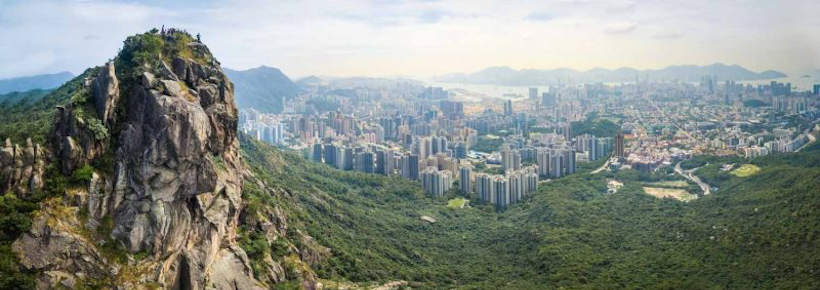
In mid-October, I was swiping through the news when a headline caught my eye: “RTHK’s Below the Lion Rock 2018 Season Opener to Revisit Causeway Bay Books Incident.” That may read like standard entertainment news, but it was anything but. RTHK – a government-financed channel – had adapted one of the most sensitive events in recent Hong Kong memory.
In 2015, five Hong Kongers went missing. They worked at Causeway Bay Books, a store known to sell tomes critical of China’s top leaders. One of men was allegedly taken from Hong Kong; if those accusations were true, it implied a violation of One Country, Two Systems, the principle supposed to guarantee Hong Kong a high degree of autonomy until 2047.

If I say “China” and “Tibet” in one breath, “comedy” is probably not the first thing that comes to mind. You may think of Buddhist monks, towering, snow-covered mountains and verdant grasslands – or you may conjure “cultural genocide.” If you are from China, meanwhile, you might think about Tibet as a feudal, pre-modern hell-on-earth liberated and modernized by the Chinese Communist Party, or a pristine, sparsely inhabited landscape contrasting noticeably with the urban metropolises of Beijing and Shanghai. These discourses, however, overlook the complexity of Tibetan cultural life in contemporary China. Tibetans in China do face mass surveillance, incarceration for political crimes, and cultural pressure, making it easy to overlook the dynamic cultural work being done in the region, from literature, to film, to hip-hop and, yes, comedy. Sometimes this work is done hand-in-hand with the Party, and sometimes counter to it, but much of it defies easy labels like “collaboration” and “resistance.”
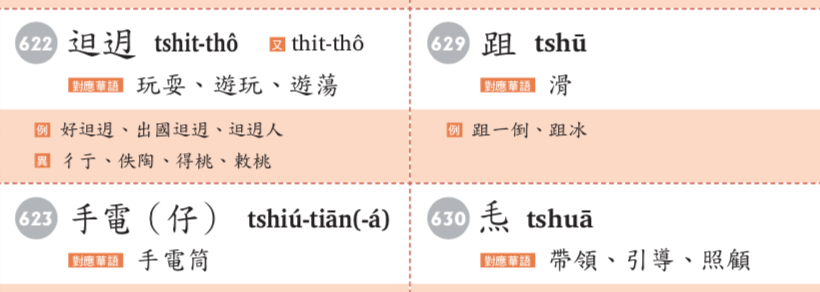
Imagine if all of Germany spoke Shanghainese. Or if a population bigger than Britain spoke Cantonese. Wouldn’t we treat them as more than just sideshows? With 80 and 70 million native speakers respectively, Shanghainese and Cantonese are massive in both use and importance. So why do we so seldom teach them or other non-Mandarin Chineses? Why aren’t we curious what one third of China – a politically and culturally marginalized, but not always economically marginalized, third – has to say and think on their own terms?